This R&D project focuses on developing a web-based platform that transforms drone imagery and video into interactive 3D models for visual inspection and analysis. The system enables users to view, navigate, and inspect 3D reconstructions directly in any browser, without specialized software. Original drone images are intelligently linked to corresponding points on the 3D model, allowing seamless reference between 2D imagery and 3D context. A built-in annotation tool lets users quickly mark issues, add notes, and highlight regions directly on both the images and the 3D model, streamlining inspection workflows and collaboration.
Over the past few years, I've had the chance of freelancing for some amazing clients, helping turn their ideas into real, impactful software products.
I combine a passion for product design with deep technical expertise to build scalable and reliable software, that users actually love. Whether you're launching an MVP, automating boring internal flows, or taming a mountain of technical debt, I'm your guy.
I take on a handful of clients each year. If you're working on something exciting, let's chat!
Selected work

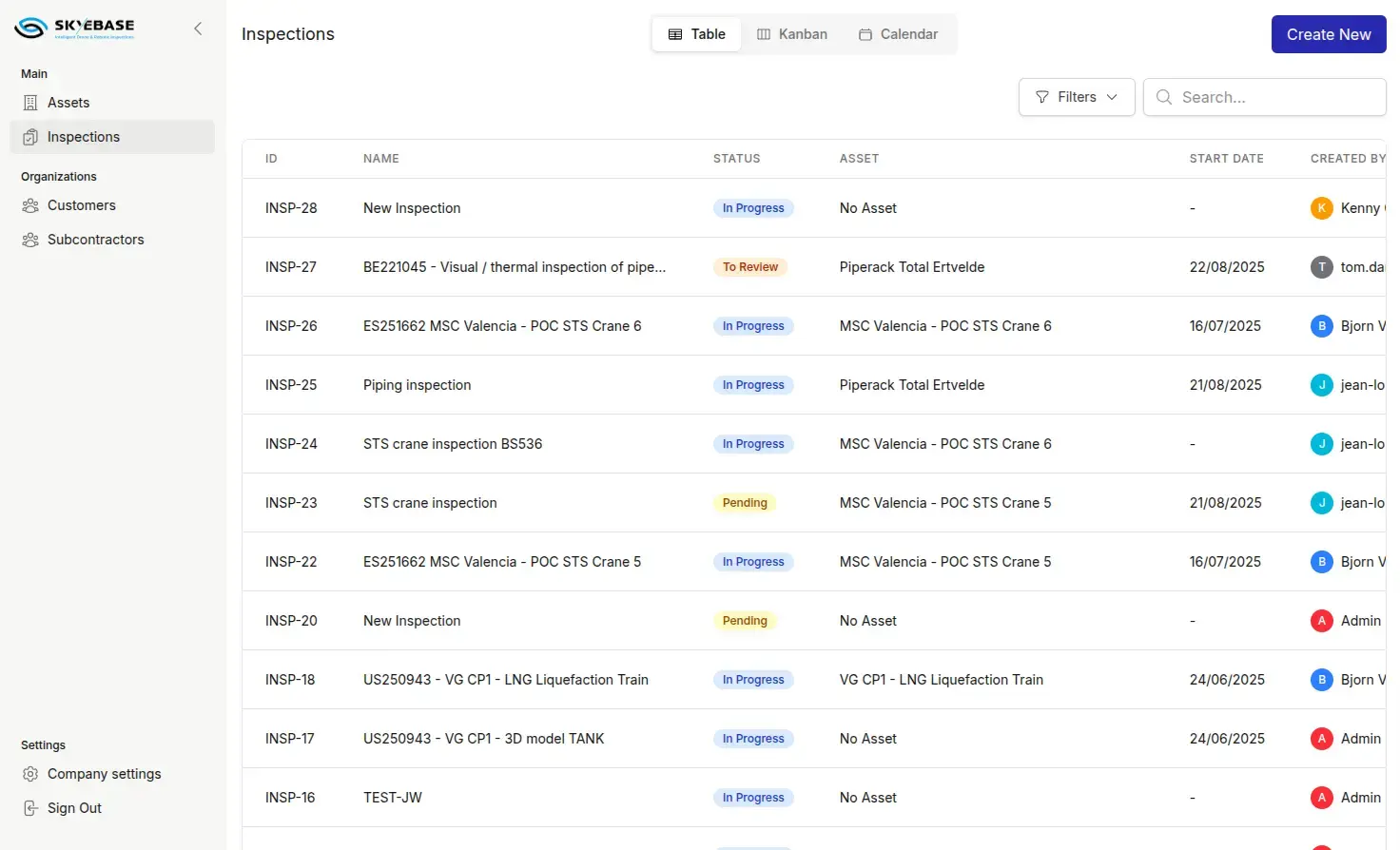
iSpect is a modern inspection platform built for drone inspection teams to efficiently manage and share inspection data. The platform enables users to manage assets, upload and review drone footage, annotate issues, generate and export PDF reports, and share findings directly with clients. It also supports live streaming of drone footage from the field and includes AI-powered defect detection for faster analysis. The system was fully refactored from legacy code into a scalable Next.js application, deployed on AWS with CI/CD pipelines and SSO integration. iSpect is optimized for tablet use, ensuring seamless performance for inspectors working on-site.

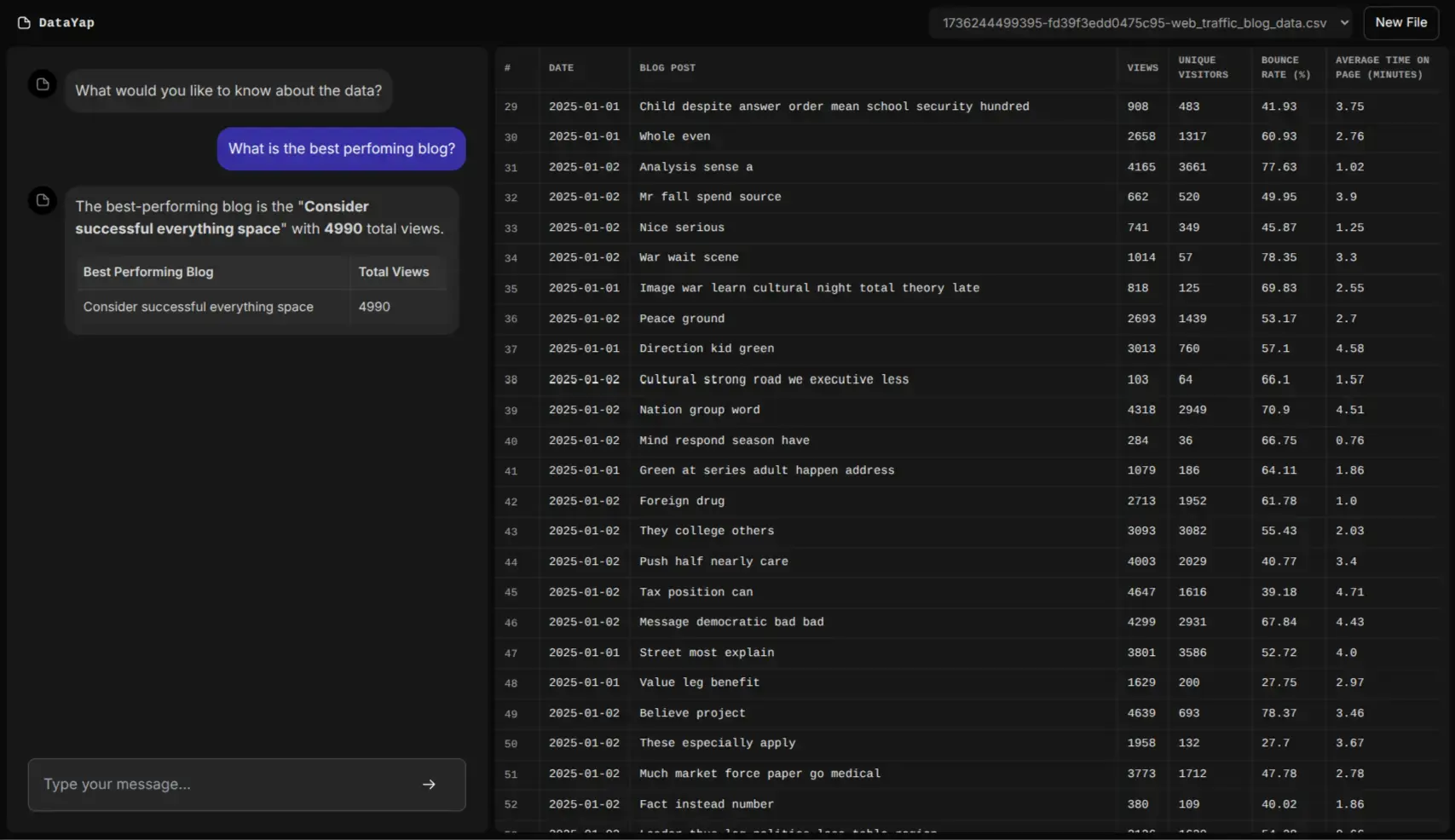
Datayap AI is an MVP for a startup that empowers users to interact with their data using natural language. Users can import datasets from CSV files or connect to external databases. The platform, built with Next.js and a Node.js backend, leverages LLMs to interpret user questions, dynamically generating SQL queries, functions, or grep-style agents to retrieve accurate results. Answers are returned in markdown, tables, or visual graphs, enabling an intuitive and conversational way to analyze data without coding.